You’ve found a brilliant book. It’s tucked in the corner of the shelf, peeking shyly out from the other spines. You dust her off and open the cover eagerly, wondering what treasures await. Then your face slumps. It’s in Latin. Again.
You drag your mind back to those schooldays of Magistra Latina droning on about ablative absolutes. Something about Caecilius est in horto? You shake your head. You’ve forgotten everything. No use buying this book- you can’t possibly know what it’s about, so what’s the point? You might even get ripped off. Reluctantly, you place it back on the shelf. Maybe a classicist or a sixteenth century monk will appreciate it more.
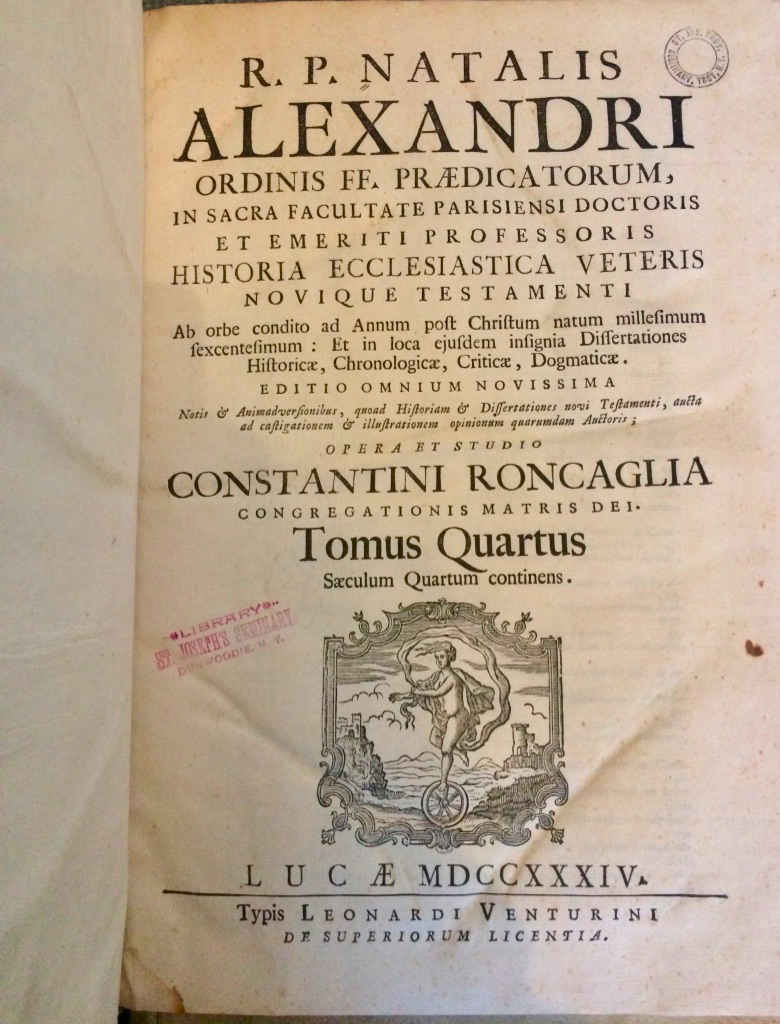
No need to despair. Here are a few tricks I’ve picked up along the way when it comes to collecting books in languages you can’t understand:
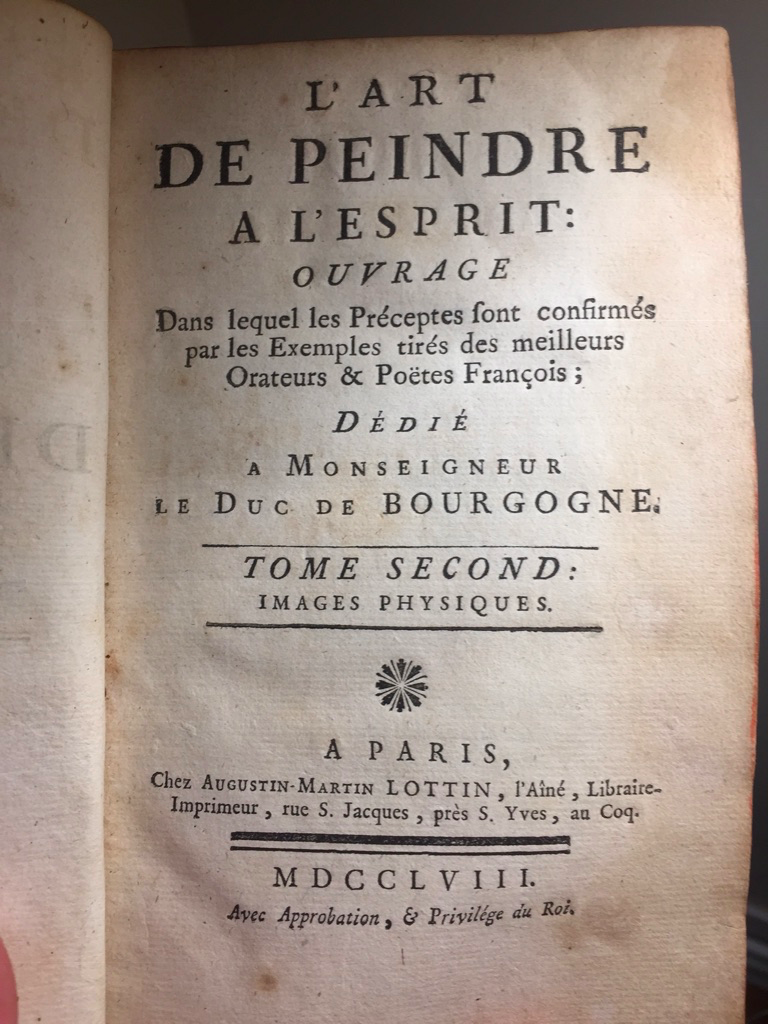
- The title page is all that’s important. Get out a dictionary and see if you can find the main words. Don’t worry about the grammar- the vocab is what will give you a sense of what the book is about.
- Learn a few key words. For example, ‘tome’ means ‘book’. If you see ‘tomus primus’, that means it’s the first book in a series- not a first edition. ‘Apud’ means publishing house, and ‘cum priviligio regis’ means that the king gave permission for the book to be published.
- Research the book online. Type the title into Abebooks.com, or www.worldcat.org, and see what pops up. Chances are that someone else has done the research on the book, and can tell you a lot more about it.
- Go for pictures. If a book has a frontispiece or engravings in, it should give some clue as to what the book is about. I personally like to collect science and medicine books, as English isn’t needed to appreciate how important the book was for knowledge at the time.
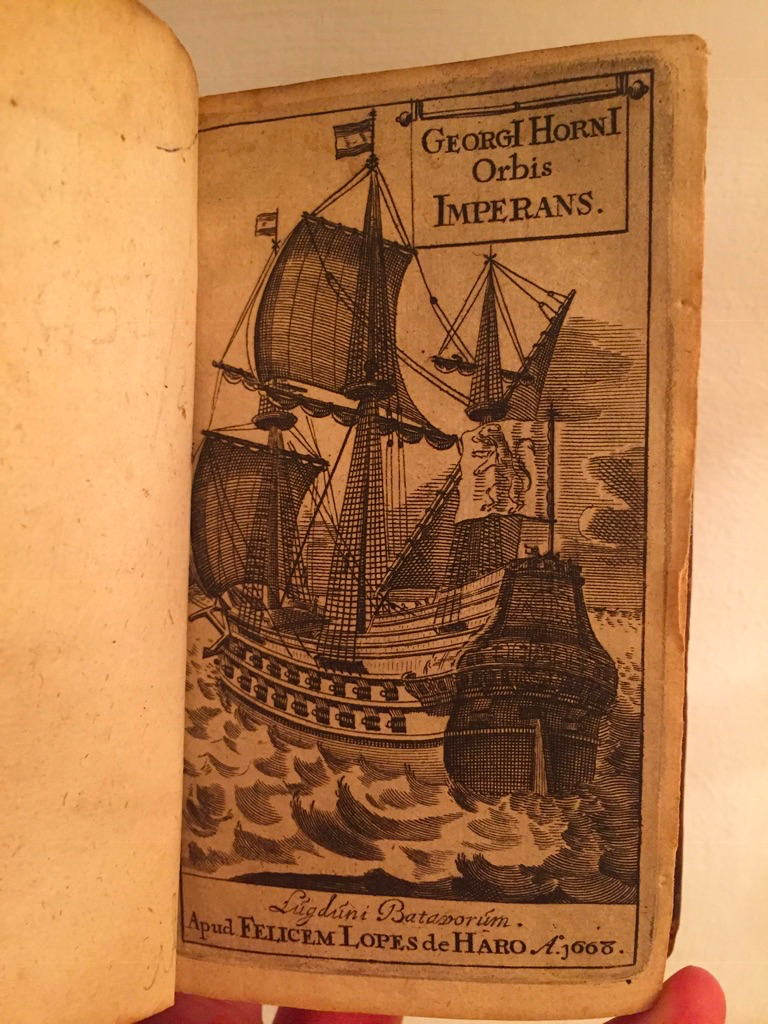
Don’t be put off if the book isn’t in English. That’s the beauty of the work! In this wonderful world of antiquarian book collecting, you learn how to appreciate a book beyond merely being able to read its content. You focus on this history- how it came from another land, survived the test of time. Think about who would have owned it. German nobility? A classics scholar? An eighteenth century scientist?
How incredible it is to hold history in your hands!
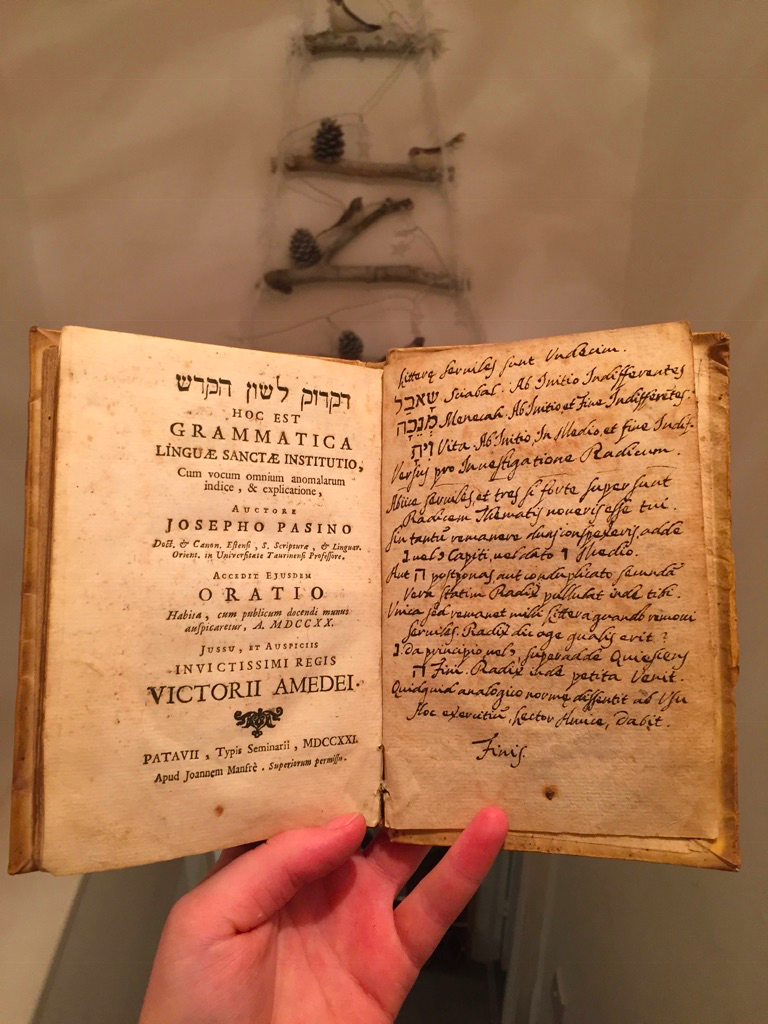
I’ll let you in on a little secret. Most of the book sellers can’t read what’s in the books either.
I asked one seller at a book fair what his Arabic book was about- he replied that he didn’t know. I asked him why he priced it at £300- he told me that it was merely to double his price from auction.
Those types of sellers are the ones to avoid, as they don’t care enough about the book to put the time and effort into researching it.
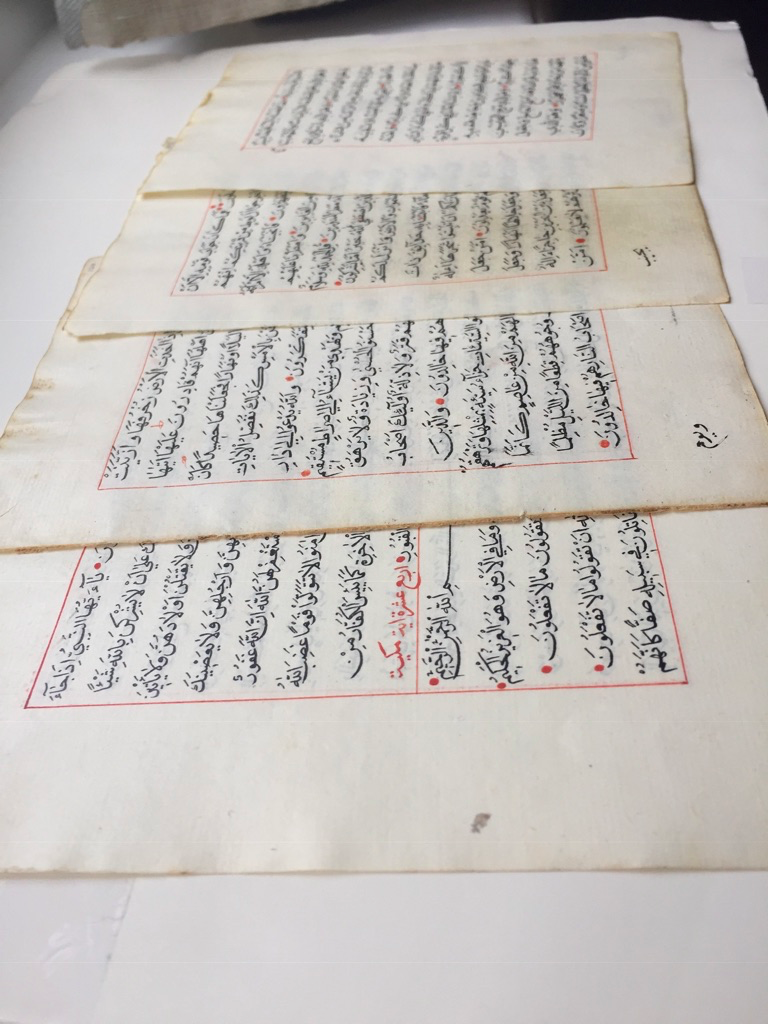
People are not expected to know every language. But proper book sellers do their research, and can tell you if a book is an important bible or a worthless theology treatise by someone insignificant.
So pick up that book. Allow yourself a small smile if you’re confronted with a different language. Remember that you don’t need to be able to read it, to know that it is special.
 The Fairy Antiquarian